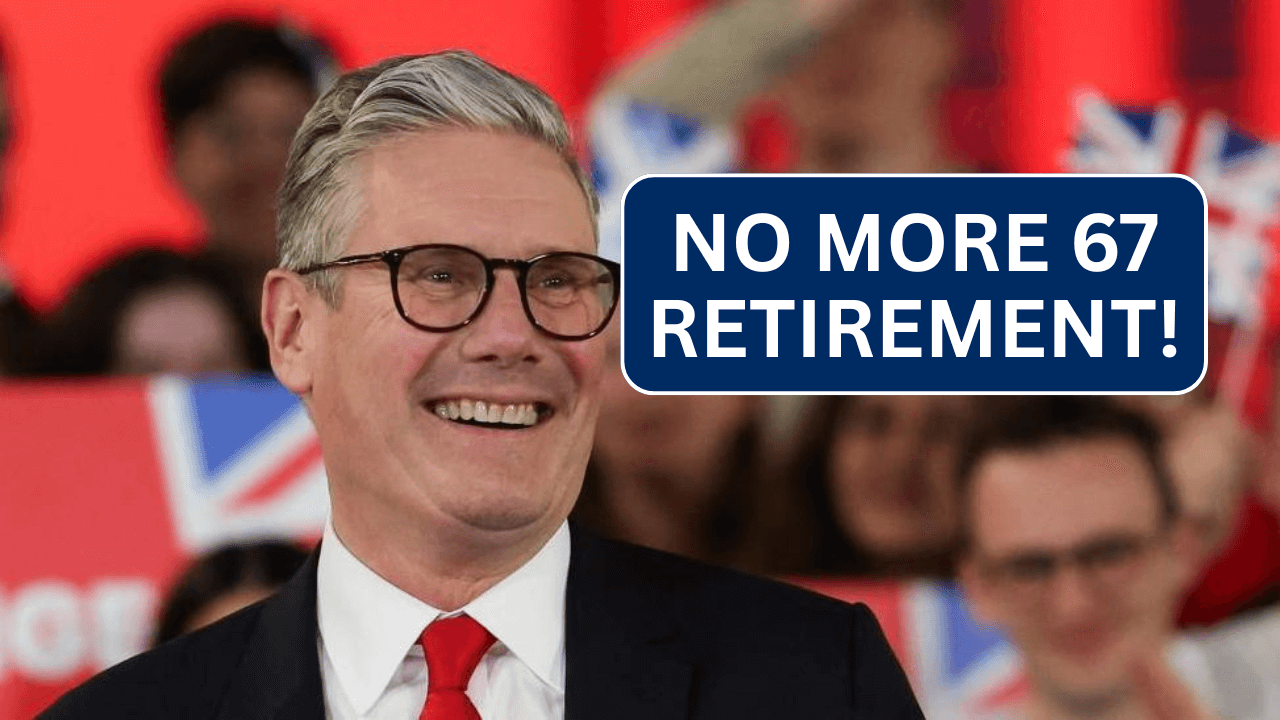
For decades, many people across the United Kingdom have built their retirement plans around a simple expectation—retiring at 67. It’s been a benchmark that shaped financial planning, career decisions and lifestyle goals for millions.
But now, that long-standing assumption is beginning to shift.
Recent announcements from the UK government suggest that the State Pension age is moving beyond 67, marking a significant change in how retirement will look in the future. While this may sound concerning at first, the reality is more about long-term sustainability than sudden disruption.
In this article, we’ll explain what’s really changing, why it’s happening and what it means for you.
What the State Pension is
The State Pension is a regular payment provided by the UK government once you reach a certain age. It is designed to offer a basic level of financial support in retirement.
To qualify, you need to have made enough National Insurance contributions during your working life. Typically, around 35 qualifying years are required to receive the full amount.
For most people, the State Pension is just one part of their retirement income, alongside workplace pensions, savings and investments.
Why the retirement age is changing
The decision to move beyond retirement at 67 is not random. It reflects deeper changes in society and the economy.
One of the biggest factors is life expectancy. People are living longer than ever before, which means pensions need to be paid out for a longer period of time.
At the same time, the number of working-age people supporting retirees is shrinking. This creates pressure on public finances and makes it harder to sustain the current system.
Rising costs, economic uncertainty and changing demographics all play a role in shaping these decisions.
What the new pension age could look like
The shift away from retiring at 67 does not mean a sudden jump for everyone. Instead, the increase will happen gradually over time.
The State Pension age is expected to:
Rise to 68 in the coming years
Possibly increase further in the future
Apply differently depending on your date of birth
This phased approach is designed to give people time to adjust their plans.
Who will be affected the most
Not everyone will be impacted in the same way.
Younger workers are likely to feel the biggest effect. If you are in your 20s, 30s or 40s, your State Pension age may be higher than 67.
Those closer to retirement may see little or no change. In many cases, existing plans will remain largely intact.
This means the impact depends heavily on your age and stage of life.
What this means for retirement planning
With the pension age increasing, retirement planning becomes even more important.
You may need to:
Save more over time
Start planning earlier
Consider additional income sources
Adjust your retirement expectations
The earlier you start preparing, the more flexibility you will have later.
The growing importance of private pensions
As the State Pension age rises, private pensions are becoming increasingly important.
These include:
Workplace pensions
Personal pension plans
Investment-based retirement savings
They allow you to build your own financial safety net and potentially retire earlier than the State Pension age.
Workplace pensions and auto-enrolment
Most UK employees are now automatically enrolled into workplace pension schemes.
These schemes include:
Contributions from your employer
Tax benefits from the government
Long-term investment growth
Over time, these contributions can build a substantial retirement fund.
Will you have to work longer
In many cases, yes—but not necessarily in the way you might expect.
Working longer does not always mean staying in the same job full-time. Many people are choosing more flexible approaches such as:
Part-time work
Freelancing or consulting
Gradual retirement
This shift reflects changing attitudes towards work and retirement.
What it means for people nearing retirement
If you are approaching retirement age, the changes are likely to be less dramatic.
You may:
Still retire close to your expected age
See only small adjustments
Continue under existing rules
However, it’s still important to stay informed about any updates.
The emotional impact of retirement changes
Retirement is not just a financial milestone—it’s a personal one.
Changes to pension age can affect:
Your sense of security
Your long-term plans
Your expectations about the future
Understanding the reasons behind these changes can help reduce uncertainty and make them easier to accept.
Common misunderstandings
There are several misconceptions around the new pension age.
Some people believe:
Retirement at 67 is being abolished overnight
Everyone must now work until 68 or beyond
Changes apply immediately to all
In reality, the transition is gradual and depends on individual circumstances.
How to check your pension status
If you want to understand how these changes affect you, it’s important to review your current position.
You can:
Check your State Pension forecast
Review your National Insurance record
Estimate your retirement income
This gives you a clearer picture of where you stand.
What you should do now
To stay prepared, consider taking a few simple steps.
Start saving early if possible
Increase contributions where you can
Review your financial plans regularly
Stay informed about official updates
These actions can help you stay in control of your future.
The role of financial planning
Good financial planning is more important than ever.
This includes:
Setting realistic retirement goals
Diversifying income sources
Building emergency savings
Managing expenses effectively
Planning ahead reduces uncertainty and gives you more options.
How this affects everyday life
For most people, these changes will not have an immediate impact on daily life.
You can continue to:
Work as usual
Save for the future
Plan your retirement
The changes are long-term and designed to be introduced gradually.
Looking ahead
The UK retirement system will continue to evolve.
Future developments may include:
Further adjustments to pension age
Changes to pension payments
New support measures
The goal is to create a system that remains sustainable and fair.
Key points to remember
The State Pension age is moving beyond 67
Changes will be gradual, not immediate
Younger workers are most affected
Private pensions are becoming more important
Planning ahead is essential
Final thoughts
Saying goodbye to retiring at 67 may feel like a big shift, but it reflects a changing world. People are living longer, working differently and planning their futures in new ways.
While the State Pension age may rise, it does not mean losing control over your retirement. With the right planning, smart saving and a flexible mindset, you can still build a secure and comfortable future.
Understanding these changes today puts you in a stronger position tomorrow—and helps you approach retirement with confidence rather than uncertainty.