For millions of people across the United Kingdom, the bus pass is more than just a travel card—it’s a gateway to independence, mobility and connection. Whether it’s visiting family, attending medical appointments or simply getting out and about, concessionary travel plays a vital role in everyday life, especially for older adults and those with disabilities.
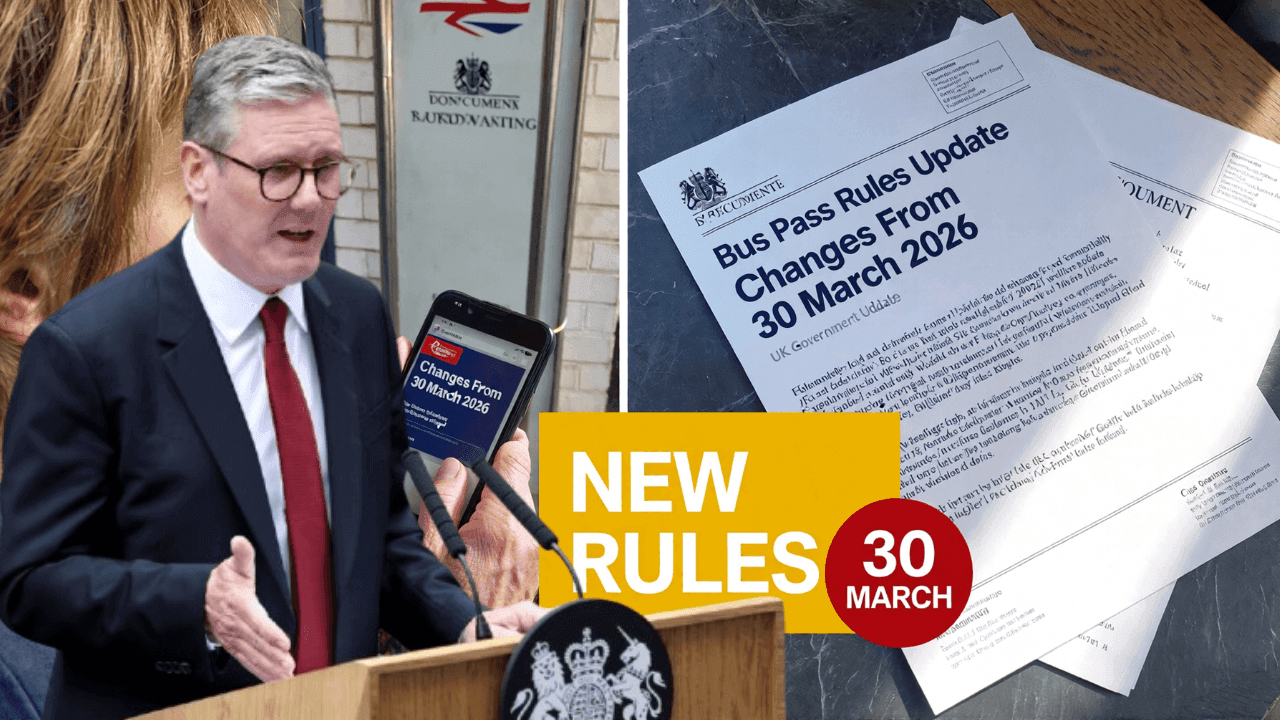
So when news emerges about bus pass rule changes coming into effect from 30 March 2026, it naturally raises questions. Will you still be eligible? Will travel times change? And how might this affect your daily routine?
In this article, we’ll explain everything clearly and practically—so you can understand what’s changing, what’s staying the same and what you should do next.
What the UK bus pass scheme is
The UK concessionary bus pass scheme allows eligible individuals to travel on local bus services either for free or at a reduced cost.
It is primarily designed to support:
Older adults
People with disabilities
Individuals on certain benefits
The scheme is funded by government support and administered locally, meaning some details can vary depending on where you live.
Who currently qualifies for a bus pass
In England, eligibility is usually linked to the State Pension age.
You can typically qualify if:
You have reached State Pension age
You are a permanent resident in your local area
You meet certain disability criteria
Other parts of the UK, such as Scotland and Wales, may offer slightly different eligibility rules, often allowing access from age 60.
What is changing from 30 March 2026
The confirmed changes from March 2026 focus mainly on how the bus pass is used, rather than removing it altogether.
Key areas of change may include:
Adjustments to off‑peak travel hours
Improved identity and eligibility checks
Updated digital systems for pass verification
Local council-level policy refinements
Importantly, the scheme itself is not being removed.
Changes to travel times
One of the most noticeable updates could relate to travel times.
Currently, many bus passes allow free travel:
After 9:30 AM on weekdays
All day on weekends and public holidays
Under the new rules, some local authorities may:
Review off‑peak timings
Adjust start times slightly
Introduce local variations
These changes are designed to manage demand and reduce pressure during peak hours.
Will eligibility rules change
For most people, eligibility is expected to remain largely the same.
This means:
If you already qualify, you are likely to continue qualifying
No widespread removal of eligibility is planned
Existing pass holders should not lose access suddenly
The focus is on improving how the system operates rather than restricting access.
Why these changes are being introduced
There are several reasons behind the updates.
These include:
Rising costs of running public transport
Increased demand for concessionary travel
Budget pressures on local councils
The need to modernise outdated systems
The aim is to keep the scheme sustainable for future generations.
What this means for older adults
For older adults, the bus pass is an essential part of maintaining independence.
Even small changes can affect:
Daily travel routines
Access to healthcare and services
Social activities and community involvement
However, most changes are expected to be gradual and manageable.
What this means for disabled passengers
People with disabilities also rely heavily on concessionary travel.
The updates aim to:
Maintain support for those who need it most
Improve verification systems
Ensure fair access
There is no indication that core support for disabled passengers will be reduced.
Will you need to reapply
In most cases, you will not need to reapply for your bus pass.
If you already have one:
It will remain valid
Renewals will continue as usual
Updates will be communicated by your local authority
However, it’s always a good idea to keep your details up to date.
The role of local councils
Local councils are responsible for managing bus pass schemes.
They handle:
Applications and renewals
Local travel rules
Communication of changes
This means that some details of the new rules may vary depending on your location.
Regional differences to be aware of
The UK does not have a single uniform system across all regions.
For example:
England links eligibility to State Pension age
Scotland offers free bus travel from age 60
Wales has its own concessionary travel scheme
So it’s important to check the rules that apply in your specific area.
How this affects everyday travel
For most users, daily travel will continue much as before.
You can still:
Use your bus pass for regular journeys
Travel during permitted hours
Access essential services
Any changes are likely to be minor rather than disruptive.
The move towards digital systems
One of the key improvements may involve digital upgrades.
This could include:
Smart bus passes with updated features
Better tracking of usage
Faster verification processes
These changes aim to make the system more efficient and secure.
Common misunderstandings
There are several misconceptions about the new rules.
Some people believe:
Bus passes will be cancelled
Free travel will end completely
Everyone must reapply
In reality, these claims are not accurate.
What you should do now
If you use a bus pass, there are a few simple steps you can take.
Check your local council website
Stay updated with official announcements
Review your travel habits
Ensure your pass details are correct
Being informed helps you avoid any surprises.
Avoiding scams and misinformation
Whenever changes are announced, scams can increase.
Be cautious of:
Messages asking for payment to renew your pass
Calls requesting personal details
Fake websites offering upgrades
Always rely on official sources for information.
Why bus pass schemes matter
Bus pass schemes are an important part of public life in the UK.
They help:
Reduce isolation among older adults
Improve access to services
Support local economies
Encourage sustainable transport
Maintaining these benefits is a key priority.
Looking ahead
Public transport systems will continue to evolve.
Future developments may include:
Improved accessibility features
Expanded transport options
Greater use of digital technology
The aim is to create a system that works for everyone.
Key points to remember
Bus passes are not being removed
Changes focus on usage and efficiency
Eligibility is expected to remain largely the same
Local councils manage specific rules
Staying informed is essential
Final thoughts
The bus pass rule changes from 30 March 2026 reflect an effort to modernise and improve an important public service. While headlines may cause concern, the reality is far more balanced—most users will continue to benefit from the scheme with only minor adjustments.
For millions of people, the bus pass remains a lifeline to independence and connection. By staying informed and understanding how the system works, you can continue to make the most of the support available.
In a time when mobility and affordability matter more than ever, this scheme continues to play a crucial role in everyday life.