For many people across the United Kingdom, disability benefits are a vital part of daily life. They are not just about money—they are about independence, stability and being able to manage everyday challenges with dignity. For individuals living with long‑term health conditions, these payments often make the difference between coping and struggling.
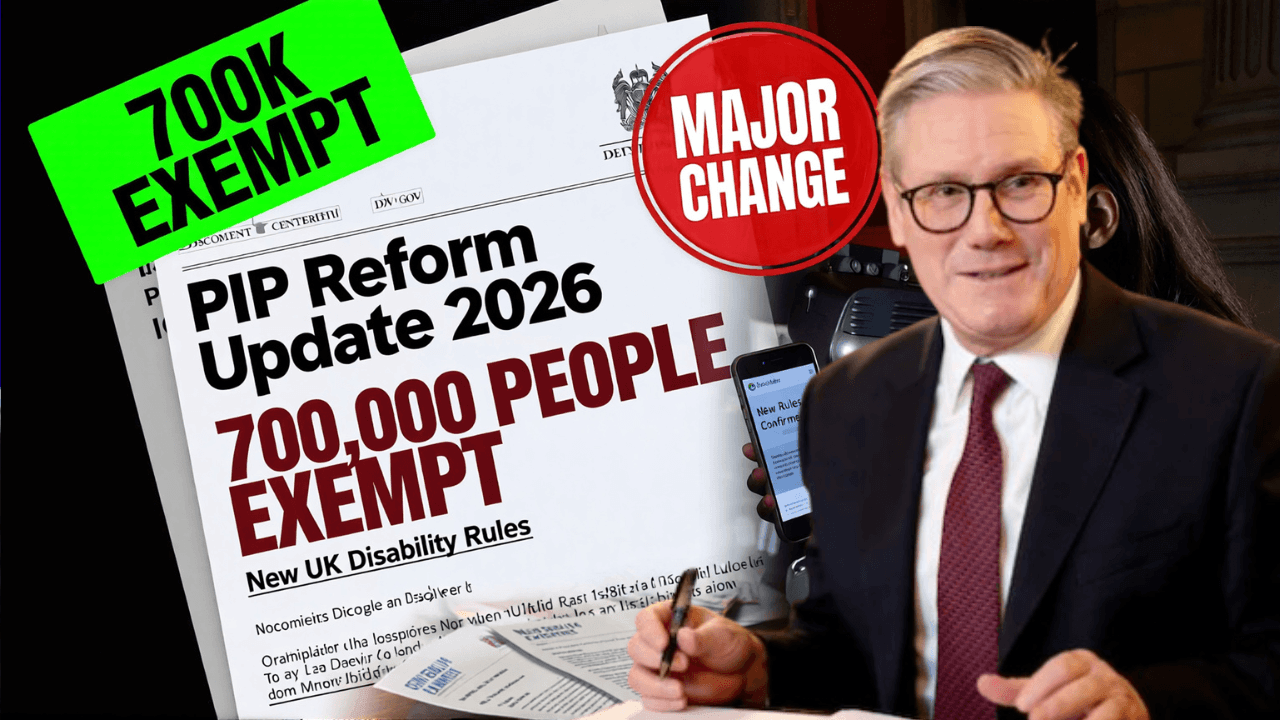
Now, a major update has come into focus. The UK government, under the leadership of Keir Starmer, is reportedly planning a significant overhaul of disability benefits. At the centre of this discussion is a change to Personal Independence Payment (PIP) rules that could potentially exempt around 700,000 people from certain assessments or eligibility restrictions.
This has sparked widespread attention. But what does it actually mean? Who benefits? And how might it affect you or someone you know?
Let’s break it down clearly and honestly.
What PIP is and why it matters
Personal Independence Payment is one of the most important benefits for people living with disabilities in the UK.
It is designed to help cover extra costs related to:
Daily living activities
Mobility needs
Long-term health conditions
Unlike some benefits, PIP is not based on your income. Instead, it focuses on how your condition affects your ability to carry out everyday tasks.
This makes it a crucial source of support for many individuals.
What the proposed overhaul is about
The proposed overhaul is not about removing support—it is about changing how eligibility and assessments are handled.
The key focus areas include:
Reducing unnecessary reassessments
Providing long-term awards for certain conditions
Simplifying the application process
Exempting specific groups from repeated checks
The aim is to make the system more efficient and less stressful for claimants.
What “exempting 700,000 people” really means
The headline figure of 700,000 people can sound dramatic, but it’s important to understand what it actually refers to.
It does not mean:
700,000 people will stop receiving benefits
700,000 people will be removed from the system
Instead, it likely means:
Certain claimants may no longer need frequent reassessments
People with long-term or permanent conditions could receive ongoing awards
Administrative pressure on claimants could be reduced
This is intended to make the system more supportive rather than restrictive.
Why these changes are being introduced
There are several reasons behind the proposed changes.
These include:
Concerns about the stress of repeated assessments
Delays in processing claims
The need to modernise the benefits system
Rising demand for disability support
The government is aiming to create a system that is both fair and practical.
How this affects people with long-term conditions
For individuals with long-term or lifelong conditions, these changes could be particularly significant.
They may:
Avoid repeated reassessments
Receive longer-term or indefinite awards
Experience less administrative burden
This can provide much-needed stability and peace of mind.
What it means for new applicants
If you are applying for Personal Independence Payment for the first time, the process may become more straightforward.
You may see:
Simplified application steps
Clearer guidance
Faster decision-making in some cases
However, eligibility criteria will still apply.
Will assessments be removed completely
Assessments are still expected to remain part of the system.
However, the changes may:
Reduce how often reassessments happen
Focus assessments on cases where conditions may change
Provide more flexibility for long-term conditions
So while assessments won’t disappear entirely, they may become less frequent and more targeted.
The role of the DWP in these changes
The Department for Work and Pensions is responsible for managing disability benefits in the UK.
It oversees:
PIP assessments
Payment processing
Eligibility decisions
Any changes to the system will be implemented through the DWP.
What this means for existing claimants
If you are already receiving PIP, the changes could make your experience easier.
You may:
Have fewer reassessments
Receive longer award periods
Experience less paperwork
However, your payments are not expected to stop simply because of these changes.
Could payments increase as well
While the main focus is on eligibility and assessments, payment rates are typically reviewed separately.
Increases to benefit amounts usually depend on:
Inflation
Government policy
Annual budget decisions
So while the overhaul improves the system, payment increases follow a different process.
Common misunderstandings about the overhaul
There are several misconceptions surrounding this topic.
Some people believe:
Benefits are being cut
Large numbers of people will lose support
The system is being restricted
In reality, the changes are largely aimed at improving the experience for claimants.
How this affects everyday life
For many people, these changes could have a real impact.
They may:
Reduce stress and uncertainty
Provide more stable income
Improve confidence in the system
For individuals managing long-term conditions, this can make a big difference.
What families and carers should know
Family members and carers often support people through the benefits process.
These changes may:
Reduce the need for repeated applications
Make long-term planning easier
Provide more consistent support
This can benefit not just claimants, but their wider support network.
What you should do now
If you currently receive PIP or think you may qualify, there are a few simple steps you can take.
Stay informed about official updates
Keep your medical information up to date
Review your current award details
Seek advice if needed
Being proactive helps you stay prepared.
What if you’re not currently claiming
If you are not receiving benefits but believe you may be eligible:
You can apply for PIP
Provide supporting medical evidence
Go through the assessment process
Many people who qualify are not currently claiming, so it’s worth checking.
Avoiding misinformation
Whenever major benefit changes are discussed, misinformation can spread quickly.
Be cautious of:
Social media rumours
Exaggerated headlines
Unofficial advice
Always rely on clear and accurate information.
The future of disability benefits in the UK
This overhaul may be part of a broader shift in how disability support is delivered.
Future developments could include:
More personalised assessments
Greater use of digital systems
Improved support for long-term conditions
The aim is to create a system that works better for everyone.
Key points to remember
PIP rules are being updated, not removed
Around 700,000 people may benefit from reduced reassessments
Long-term conditions may receive more stable support
The system is being simplified, not restricted
Staying informed is essential
Final thoughts
The proposed UK disability benefits overhaul represents a significant step towards improving how support is delivered. While headlines may sound dramatic, the reality is more reassuring—these changes are largely focused on making the system fairer, simpler and less stressful.
For many people, especially those with long-term conditions, this could mean greater stability and fewer disruptions. And in a system that plays such an important role in everyday life, that kind of improvement can make a real difference.
By staying informed and understanding how these changes work, you can ensure that you continue to receive the support you need—both now and in the future.