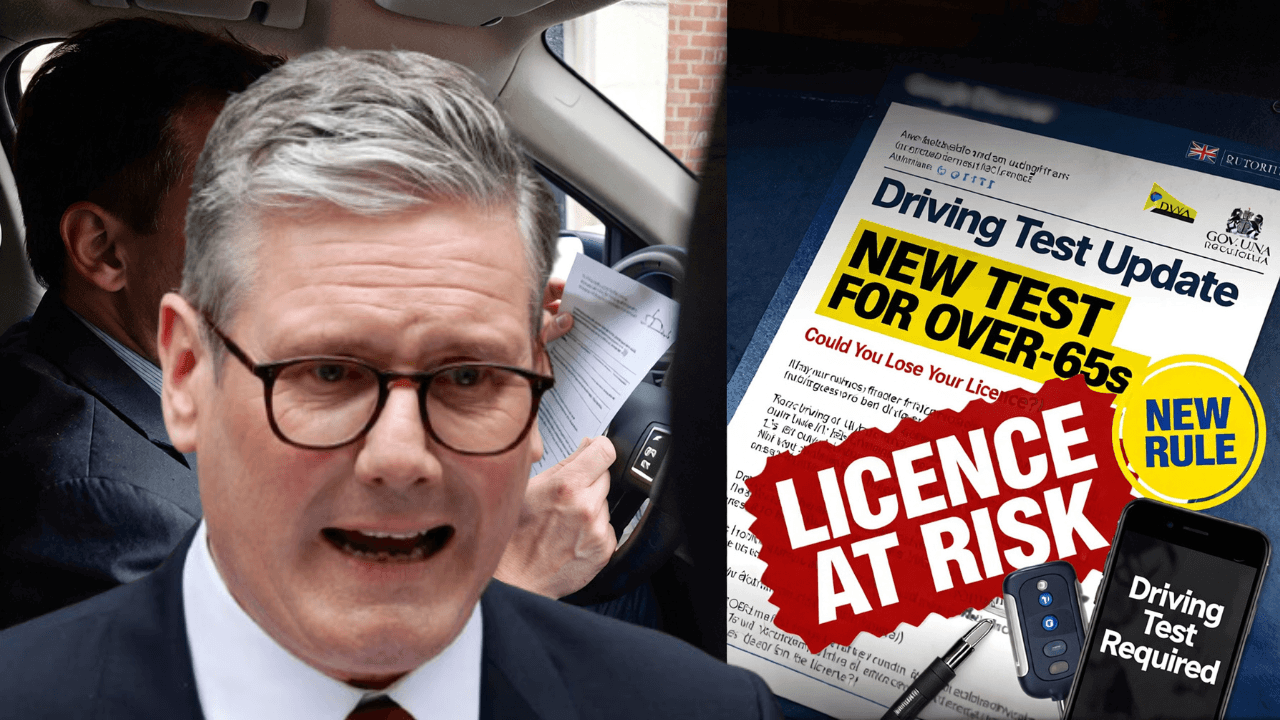
For many people across the United Kingdom, driving is more than just a practical skill—it represents independence, freedom and the ability to stay connected with everyday life. Whether it’s visiting family, running errands or attending appointments, having a driving licence becomes even more important as we get older.
So when headlines begin to suggest that a new driving test for over‑65s has been confirmed, it naturally raises concern. Many drivers immediately start asking questions. Will I need to retake my test? Could I lose my licence? And how will this affect my daily life?
The truth, as is often the case, is more balanced than the headline suggests. In this article, we’ll walk through everything clearly—what’s changing, what isn’t, and what it actually means for drivers aged 65 and over in the UK.
Understanding the current rules for older drivers
In the UK, driving licences are managed by the Driver and Vehicle Licensing Agency.
Under current rules:
You do not need to retake a driving test at 65
You can continue driving as long as you are medically fit
You must renew your licence at age 70
After 70, renewal happens every three years
During renewal, drivers confirm that they meet medical and eyesight standards. This system has been in place for many years and continues to form the foundation of driving regulations.
Is a new driving test really confirmed
The idea of a “confirmed driving test for over‑65s” can be misleading.
At present, there is no universal mandatory driving test introduced purely based on turning 65. However, there is growing discussion around:
Improving road safety
Encouraging regular driving assessments
Introducing voluntary or targeted checks
So while changes are being discussed and refined, they are not as strict or automatic as some headlines suggest.
Why changes are being discussed
The conversation around older drivers is largely driven by broader social trends.
These include:
An ageing population in the UK
More people driving later into life
Advances in healthcare allowing longer independence
A focus on improving road safety
The aim is not to penalise older drivers, but to ensure that everyone on the road remains safe and confident.
What a “new driving test” could actually mean
Instead of a mandatory retest for everyone over 65, the updated approach may involve:
Voluntary driving assessments
Medical-based evaluations
Targeted testing where concerns are identified
Refresher courses for confidence and safety
This means the focus is on ability rather than age.
Could you lose your licence
This is the biggest concern for many drivers—but it’s important to be clear:
You will not lose your licence simply because of your age.
However, your licence could be affected if:
A medical condition impacts your ability to drive safely
Your eyesight does not meet required standards
You fail to provide accurate information during renewal
These rules apply to all drivers, not just those over 65.
The role of medical fitness
Medical fitness is central to driving regulations in the UK.
The Driver and Vehicle Licensing Agency requires drivers to report conditions that may affect safe driving.
These can include:
Vision problems
Neurological conditions
Heart-related issues
Mobility limitations
If a condition is identified, your case may be reviewed to ensure safety.
Why eyesight is so important
Eyesight plays a critical role in safe driving.
Drivers must be able to:
Read a number plate from a specific distance
Maintain clear vision in different conditions
Regular eye tests are strongly recommended, particularly as you age.
What voluntary assessments involve
Voluntary driving assessments are becoming more common.
These may include:
A short driving evaluation with an instructor
Feedback on driving habits
Advice on improving safety
They are not designed to fail drivers—but to support them.
How refresher courses can help
Many older drivers benefit from refresher lessons.
These can help you:
Update your knowledge of road rules
Improve confidence
Adjust to modern driving conditions
They are optional and often recommended rather than required.
What this means for everyday drivers
For most drivers over 65, daily life will not change significantly.
You can continue to:
Drive as usual
Renew your licence when required
Maintain your independence
Any changes are likely to be gradual and supportive.
What families should know
Family members often play a role in supporting older drivers.
It can help to:
Encourage regular health checks
Discuss driving openly and respectfully
Offer support if confidence declines
Balancing safety and independence is key.
Common misunderstandings
There are several myths surrounding this topic.
Some people believe:
All over‑65s must retake a driving test
Licences will be automatically removed
New rules apply immediately to everyone
In reality, these claims are not accurate.
What you should do now
If you are over 65, there is no need to panic—but staying informed is important.
You can:
Check your licence expiry date
Keep your medical information up to date
Schedule regular eye tests
Stay informed about official updates
These steps will help you stay confident and prepared.
The importance of confidence in driving
Confidence is just as important as skill.
If you feel unsure:
A refresher course can help
A professional assessment can reassure you
Support is available without pressure
Staying confident helps you stay safe.
Avoiding scams and misinformation
Whenever rule changes are discussed, misinformation can spread quickly.
Be cautious of:
Messages claiming urgent new rules
Calls asking for payment for tests
Websites offering unofficial services
Always rely on trusted sources.
The future of driving rules in the UK
Driving regulations will continue to evolve.
Future developments may include:
More personalised assessments
Better use of medical data
Improved road safety systems
The aim is to keep roads safe while supporting independence.
How this affects independence
For many people, driving is closely linked to independence.
The good news is:
There is no sudden removal of licences
Changes are gradual and supportive
Older drivers remain valued and respected
Maintaining independence remains a priority.
Key points to remember
There is no mandatory driving test at 65
Age alone does not determine your licence
Medical fitness is the key requirement
Voluntary assessments may increase
Most drivers will not be affected immediately
Final thoughts
The idea of a new driving test for over‑65s may sound alarming, but the reality is far more reassuring. The UK is not introducing blanket rules that force older drivers off the road. Instead, the focus is on safety, awareness and supporting drivers to remain confident behind the wheel.
For most people, nothing changes overnight. By staying informed, looking after your health and understanding the rules, you can continue to enjoy the freedom that driving provides.
In the end, driving is not about age—it’s about ability, confidence and safety.