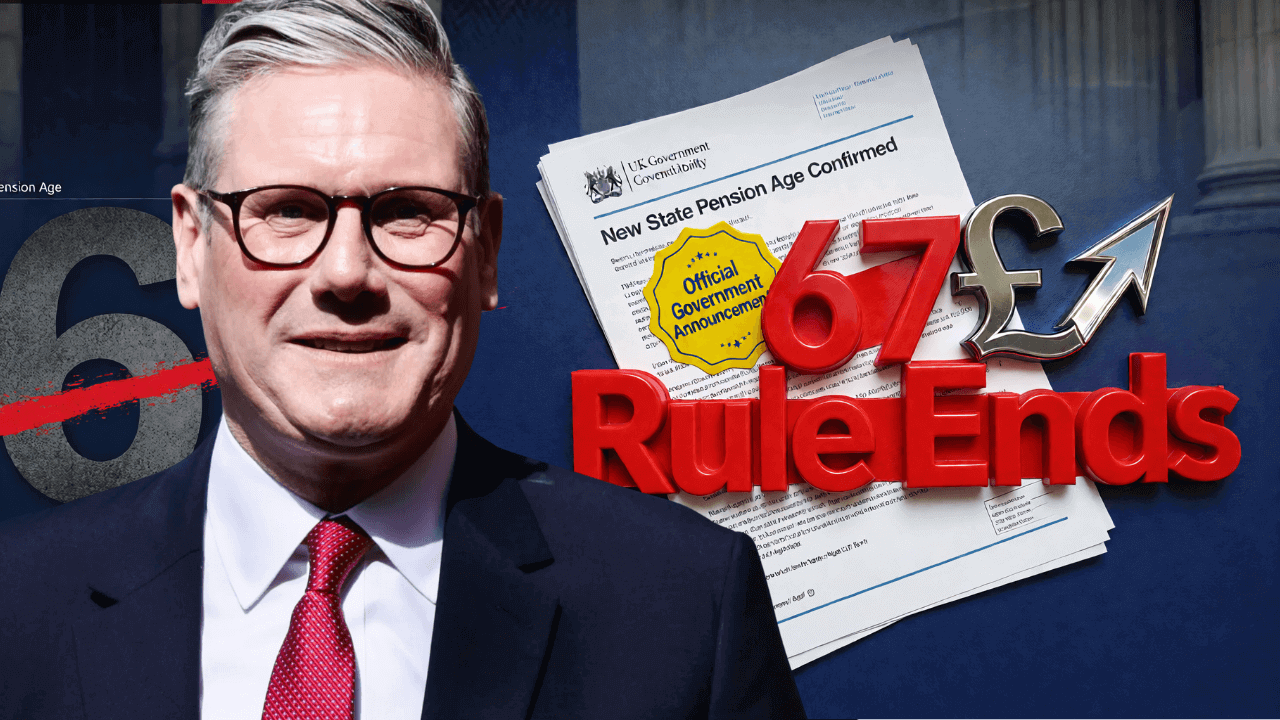
For years, many people across the United Kingdom have built their retirement plans around a single number: 67. It has been widely accepted as the age when you could stop working and begin receiving your State Pension. From long-term savings plans to career decisions, this benchmark has shaped expectations for millions.
However, recent developments suggest that this long-standing assumption is changing. The UK government has officially confirmed plans to adjust the State Pension age, signalling a shift away from the traditional “retire at 67” idea. While this may sound unsettling at first, the reasons behind the change are rooted in broader social and economic trends.
In this article, we’ll break everything down clearly—what the new pension age means, why it’s changing, and how it could affect your future.
What the State Pension is
The State Pension is a regular payment provided by the UK government once you reach a certain age. It is designed to offer a basic level of financial support during retirement.
Your eligibility depends on your National Insurance contributions throughout your working life. The more qualifying years you have, the more you’re likely to receive—up to the full State Pension amount.
For most people, this pension is only one part of their retirement income. Many also rely on workplace pensions, private savings and investments to maintain their lifestyle.
Why the retirement age is changing
The decision to move beyond retirement at 67 is not random—it reflects major changes in society.
One of the biggest factors is increased life expectancy. People in the UK are living longer than ever before. While this is a positive development, it also means pensions must be paid out for a longer period.
At the same time, there are fewer working-age individuals supporting a growing number of retirees. This creates financial pressure on the system, making reform necessary to ensure long-term sustainability.
What the new pension age means
The government’s confirmation does not mean that everyone must suddenly work until a new fixed age overnight. Instead, the changes will be introduced gradually.
The State Pension age is expected to:
Increase to 68 over time
Potentially rise further in the future
Be applied differently depending on your age group
This phased approach ensures that people have time to adjust their plans.
Who will be affected the most
Not everyone will be impacted in the same way.
Younger workers—particularly those under 50—are most likely to feel the effects. If you are early in your career, you may need to wait longer before receiving your State Pension.
Those closer to retirement are less likely to experience major changes. Many will still retire around the currently expected age, with only minor adjustments.
What it means for younger generations
For younger people, the idea of retiring at 67 may no longer apply.
Instead, you may need to:
Work longer before receiving government support
Rely more heavily on personal savings
Plan for a longer working life
This doesn’t necessarily mean working full-time until your late 60s or beyond—it simply means that your State Pension will begin later.
What it means for people nearing retirement
If you are in your late 50s or early 60s, the changes are likely to have a smaller impact.
Most people in this group will:
Continue under existing or near-existing rules
Receive their pension close to their expected age
Experience minimal disruption
However, it’s still important to stay informed about any updates.
The importance of National Insurance contributions
Your entitlement to the State Pension depends heavily on your National Insurance record.
To receive the full pension, you typically need a minimum number of qualifying years.
If there are gaps in your record, your pension amount may be reduced. This makes it essential to check your contributions regularly and take steps to fill any gaps where possible.
How much the State Pension provides
The State Pension is designed to provide a basic income rather than fully fund retirement.
While the exact amount can change, it is generally intended to cover essential living costs such as food, utilities and basic expenses.
For this reason, many people need additional sources of income to maintain their desired lifestyle.
Why private pensions are becoming more important
As the State Pension age rises, private pensions become increasingly important.
They allow you to:
Retire earlier if you choose
Maintain a comfortable lifestyle
Reduce reliance on government support
The earlier you start contributing, the more flexibility you will have later in life.
Workplace pensions and their role
Most employees in the UK are automatically enrolled in workplace pension schemes.
These schemes:
Include contributions from your employer
Grow over time through investment
Provide additional income during retirement
Taking full advantage of these schemes can significantly improve your financial future.
Will you have to work longer
In many cases, yes—but not necessarily in a rigid way.
You may choose to:
Continue working full-time
Switch to part-time work
Explore flexible or phased retirement
The concept of retirement is evolving, becoming more flexible rather than tied to a single age.
Common misunderstandings about the change
There are several misconceptions surrounding the new pension age.
Some people believe:
Retirement at 67 is completely abolished overnight
Everyone must now work until 68 or beyond
Changes apply immediately to all age groups
In reality, the transition is gradual and depends on your individual circumstances.
How this affects retirement planning
These changes highlight the importance of long-term planning.
You may need to:
Adjust your retirement timeline
Increase your savings
Diversify your income sources
Planning ahead gives you greater control over your future.
The emotional impact of retirement changes
Retirement is not just about finances—it’s also about expectations and lifestyle.
Changes to pension age can affect:
Your sense of security
Your future plans
Your work-life balance
Understanding the reasons behind these changes can help reduce uncertainty.
What you should do now
If you want to stay prepared, there are a few simple steps you can take.
Check your State Pension forecast
Review your National Insurance record
Increase your savings where possible
Stay updated with official announcements
These actions can help you make informed decisions about your future.
Avoiding misinformation
Pension updates often generate attention, and not all information is accurate.
Be cautious of:
Sensational headlines
Social media rumours
Outdated figures
Always rely on clear, factual information when making decisions.
Looking ahead
The future of retirement in the UK is changing.
We may see:
Further increases in pension age
Adjustments to pension payments
New support measures
The goal is to create a system that remains fair, sustainable and supportive.
Key points to remember
The State Pension age is moving beyond 67
Changes will be introduced gradually
Younger workers are most affected
Private pensions are becoming more important
Planning ahead is essential
Final thoughts
The idea of saying goodbye to retiring at 67 may feel like a major shift, but it reflects a changing world. People are living longer, and the systems that support retirement must adapt accordingly.
The good news is that retirement is no longer defined by a single number. With careful planning, smart saving and a flexible approach, you can still build a secure and comfortable future.
Understanding these changes today puts you in a stronger position tomorrow—helping you take control of your retirement with confidence.