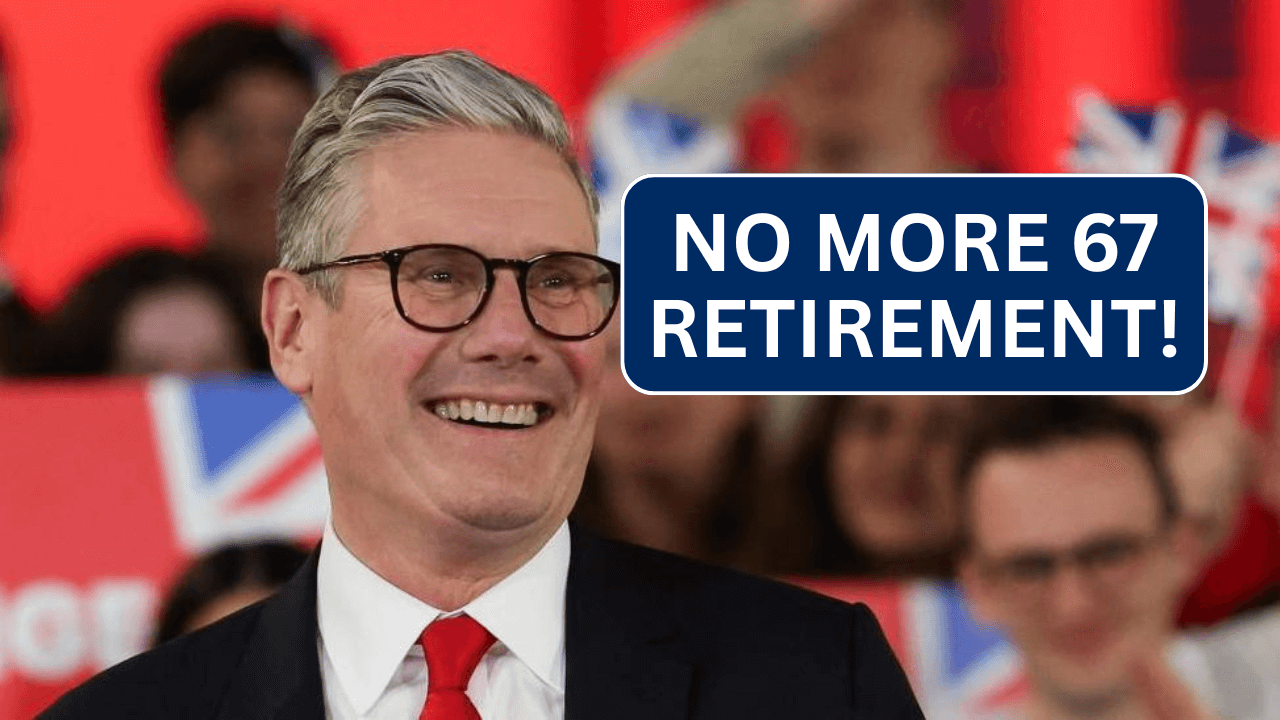
For years, the idea of retiring at 67 has been a central part of how people in the United Kingdom plan their future. Many workers have structured their careers, savings and expectations around reaching that milestone and stepping into retirement with the support of the State Pension.
But recent developments suggest a significant shift is underway. With the government officially approving changes to the State Pension age, the long‑standing “67 rule” is gradually being replaced with a new approach. This change reflects evolving economic realities, longer life expectancy and the need to ensure the pension system remains sustainable for future generations.
So what does this really mean for you? Will you have to work longer? And how should you adjust your plans moving forward?
Let’s break it down clearly and practically.
What the State Pension is
The State Pension is a regular payment from the UK government that you receive once you reach a certain age. It is designed to provide a basic level of income during retirement.
Your entitlement depends on your National Insurance contributions over your working life. The more qualifying years you have, the closer you are to receiving the full amount.
For most people, the State Pension forms just one part of retirement income, alongside workplace pensions, private savings and investments.
Why the 67 retirement age is changing
The idea of retiring at 67 is not being removed overnight, but it is no longer seen as a fixed endpoint for everyone. The main reason behind the change is simple: people are living longer.
Over the past few decades, life expectancy in the UK has increased significantly. While this is positive, it also means the government has to pay pensions for a longer period of time.
At the same time, the number of working-age people supporting pensioners is shrinking. This creates financial pressure on the system, making reform necessary.
What the new pension age means
With the new changes officially approved, the State Pension age is expected to gradually rise beyond 67.
This could mean:
A move towards age 68 in the near future
Further increases over time depending on economic conditions
A phased rollout affecting different age groups differently
It’s important to understand that these changes are introduced gradually, not all at once.
Who will be affected the most
The impact of the new pension age depends largely on your current age.
You are more likely to be affected if you are:
Under 50
Early in your career
Planning retirement decades ahead
If you are closer to retirement age, your plans are less likely to change significantly.
What it means for younger workers
For younger workers, this shift is particularly important.
You may need to:
Work longer before receiving your State Pension
Rely more heavily on personal savings
Adjust your expectations around retirement timing
This doesn’t mean you cannot retire earlier—it simply means government support will begin later.
What it means for those nearing retirement
If you are in your late 50s or early 60s, the impact is likely to be smaller.
Most people in this group will:
Continue under existing rules
Retire close to their expected timeline
Experience minimal disruption
However, staying informed is still essential.
The role of National Insurance contributions
Your eligibility for the State Pension is based on your National Insurance record.
To receive the full pension, you usually need a certain number of qualifying years.
If there are gaps in your record, it can reduce the amount you receive. That’s why it’s important to regularly check your contributions and fill any gaps if possible.
How much you could receive
The State Pension provides a baseline income rather than full financial coverage.
While rates can change over time, it is designed to help with essential living costs rather than support a full lifestyle.
This is why many people rely on additional income sources such as:
Workplace pensions
Private savings
Investments
Why private pensions are becoming more important
As the State Pension age increases, private pensions play an even bigger role.
They allow you to:
Retire earlier if you choose
Maintain your lifestyle
Reduce reliance on government support
The earlier you start contributing to a private pension, the more flexibility you’ll have later.
How workplace pensions help
Most employees in the UK are now automatically enrolled in workplace pension schemes.
These schemes:
Include contributions from your employer
Grow over time through investment
Provide additional income during retirement
Taking full advantage of these schemes can significantly improve your financial future.
Will you have to work longer
In many cases, yes—but not necessarily in the way you might think.
You may choose to:
Continue working full-time
Switch to part-time work
Explore flexible retirement options
The key point is that retirement is becoming more flexible rather than tied to a single age.
Common misunderstandings about the new rule
There are several misconceptions around this topic.
Some people believe:
Everyone must now work until 68 or beyond
Retirement at 67 is completely gone
Changes apply immediately to all
In reality, the transition is gradual and depends on your age group.
How this affects retirement planning
These changes highlight the importance of planning ahead.
You may need to:
Reassess your retirement timeline
Increase your savings
Diversify your income sources
Planning early gives you more control over your future.
The emotional side of retirement changes
Retirement is not just about money—it’s also about lifestyle and personal goals.
Changes to pension age can affect:
Your sense of security
Your long-term plans
Your work-life balance
Understanding the reasons behind the changes can help reduce uncertainty.
What you should do now
If you want to stay prepared, there are a few simple steps you can take.
Check your State Pension forecast
Review your National Insurance record
Increase your savings where possible
Stay updated with official announcements
These steps can help you make informed decisions.
Avoiding misinformation
Pension changes often attract attention, and not all information is accurate.
Be cautious of:
Sensational headlines
Social media rumours
Outdated information
Always rely on clear and factual explanations.
Looking ahead
The future of retirement in the UK is evolving.
We may see:
Further adjustments to pension age
Changes to pension payments
New support measures
The aim is to create a system that remains fair and sustainable.
Key points to remember
The State Pension age is rising beyond 67
Changes are gradual and age-dependent
Younger workers are most affected
Private pensions are becoming more important
Planning ahead is essential
Final thoughts
The end of the traditional “retire at 67” expectation marks a significant shift in how people think about retirement in the UK. While the changes may feel uncertain at first, they reflect a broader reality—people are living longer, and systems must adapt.
The good news is that retirement is no longer defined by a single number. With the right planning, savings and flexibility, you can shape a future that works for you.
Understanding these changes today puts you in a stronger position tomorrow—and helps ensure that when you do retire, you can do so with confidence and security.