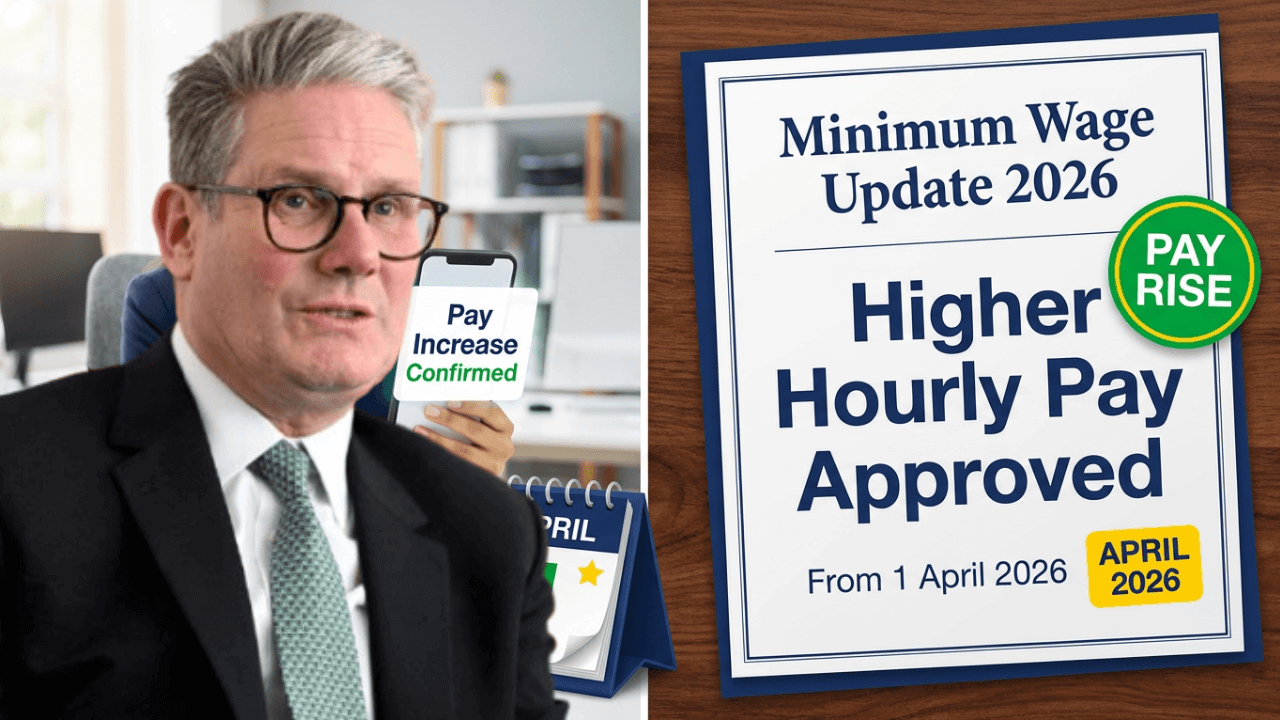
For millions of workers across the United Kingdom, the minimum wage is more than just a legal baseline—it directly shapes everyday life. From paying rent to managing food bills, even a small increase in hourly pay can have a noticeable impact.
That’s why the announcement of a new minimum wage increase starting from 1 April 2026 has drawn widespread attention. For many workers, this change brings hope for better financial stability. For employers, it signals a shift that requires planning and adjustment.
In this article, we’ll break everything down clearly—what the new minimum wage means, who benefits and how it could affect the wider economy.
What the minimum wage is
The minimum wage is the lowest amount employers are legally required to pay workers.
In the UK, it is set and reviewed by the UK Government, with recommendations from independent bodies that assess economic conditions.
There are different rates depending on age and employment status, including:
National Living Wage for older workers
Minimum wage rates for younger workers and apprentices
These rates are updated regularly to reflect economic changes.
What is changing from April 2026
From 1 April 2026, the UK will see higher hourly pay rates across different age groups.
While exact figures vary, the key points are:
An increase in hourly pay for eligible workers
Adjustments across all age categories
A continued focus on supporting low-income earners
These changes are part of an ongoing effort to improve living standards.
Why the minimum wage is increasing
There are several reasons behind the decision to raise wages.
One of the biggest factors is the rising cost of living. Over the past few years, households have faced:
Higher energy bills
Increased food prices
Rising housing costs
For low-income workers, these pressures can be particularly difficult. Increasing the minimum wage helps offset some of these challenges.
Who benefits the most
The people who benefit most from minimum wage increases include:
Retail and hospitality workers
Part-time employees
Young workers entering the job market
Workers in entry-level roles
For these groups, even a small increase per hour can add up significantly over time.
How much more you could earn
While the increase may seem small on an hourly basis, the impact over weeks and months can be meaningful.
For example:
An increase of £1 per hour
Working 40 hours per week
Equals an extra £40 per week
Over a year, this can amount to a substantial boost in income.
The impact on younger workers
Younger workers often receive lower minimum wage rates.
However, increases still apply to:
Workers aged 18–20
Workers aged 21–22
Apprentices
This helps ensure that younger employees also benefit from rising wage levels.
What this means for employers
For businesses, especially small businesses, minimum wage increases can present challenges.
Employers may need to:
Adjust payroll budgets
Review staffing costs
Increase prices in some cases
However, higher wages can also lead to:
Improved employee satisfaction
Lower staff turnover
Better productivity
So the impact is not entirely negative.
How it affects the wider economy
Raising the minimum wage can have broader economic effects.
Positive impacts may include:
Increased consumer spending
Improved living standards
Reduced income inequality
However, there can also be concerns about:
Higher costs for businesses
Potential job reductions in some sectors
Balancing these effects is a key part of policy decisions.
The role of the National Living Wage
The National Living Wage applies to older workers and is typically higher than the standard minimum wage.
It is designed to:
Provide a fair income level
Reflect real living costs
Support full-time workers
This rate often receives the most attention when increases are announced.
How this affects everyday life
For workers, higher wages can make daily life easier.
It may help with:
Paying bills on time
Managing grocery costs
Saving a small amount each month
Reducing financial stress
While it may not solve all financial challenges, it can make a noticeable difference.
What workers should do now
If you are affected by the increase, there are a few steps you can take.
You should:
Check your current hourly rate
Confirm the new rate with your employer
Review your payslips after April 2026
This ensures you are receiving the correct pay.
Understanding your rights
Workers in the UK have legal rights when it comes to pay.
Employers must:
Pay at least the minimum wage
Update wages when rates increase
Provide clear payslips
If you are not being paid correctly, you have the right to raise the issue.
What happens if employers don’t comply
Failure to pay the minimum wage can lead to serious consequences for employers.
These may include:
Financial penalties
Legal action
Public listing of non-compliant businesses
This helps ensure workers are protected.
Common misunderstandings
There are several myths about minimum wage increases.
Some people believe:
Everyone receives the same rate
The increase is automatic for all workers
It guarantees financial security
In reality:
Rates vary by age and role
You must check your eligibility
It is one part of a broader financial picture
How inflation affects wages
While wage increases are helpful, inflation can reduce their impact.
For example:
If wages rise but prices also increase
The real benefit may be smaller
This is why regular updates to the minimum wage are important.
The importance of financial planning
Even with higher wages, managing money wisely remains essential.
You may want to:
Create a monthly budget
Track your spending
Save where possible
These habits help you make the most of your income.
How this fits into long-term policy
Minimum wage increases are part of a broader strategy to improve living standards.
This includes:
Supporting low-income workers
Encouraging fair pay
Reducing inequality
Over time, these policies aim to create a more balanced economy.
What to expect in the future
Minimum wage rates are likely to continue increasing over time.
Future changes may depend on:
Economic growth
Inflation levels
Government policy decisions
This means workers can expect ongoing adjustments.
Key points to remember
Minimum wage is increasing from April 2026
Higher hourly pay will benefit millions of workers
The impact varies depending on age and job
Employers must comply with new rates
Even small increases can make a difference
Final thoughts
The announcement of a higher minimum wage from 1 April 2026 is a significant step for workers across the UK. While it may not transform finances overnight, it provides meaningful support in a time when living costs remain high.
For employees, it offers a chance to improve financial stability. For employers, it highlights the importance of adapting to changing economic conditions.
Ultimately, understanding how these changes affect you is key. By staying informed and checking your pay, you can ensure you’re benefiting fully from the new rules—and making the most of every pound you earn.