For millions of people across the United Kingdom, income tax is one of the most important factors affecting how much money they take home each month. Even small changes in tax thresholds can have a noticeable impact on everyday finances, from paying bills to saving for the future.
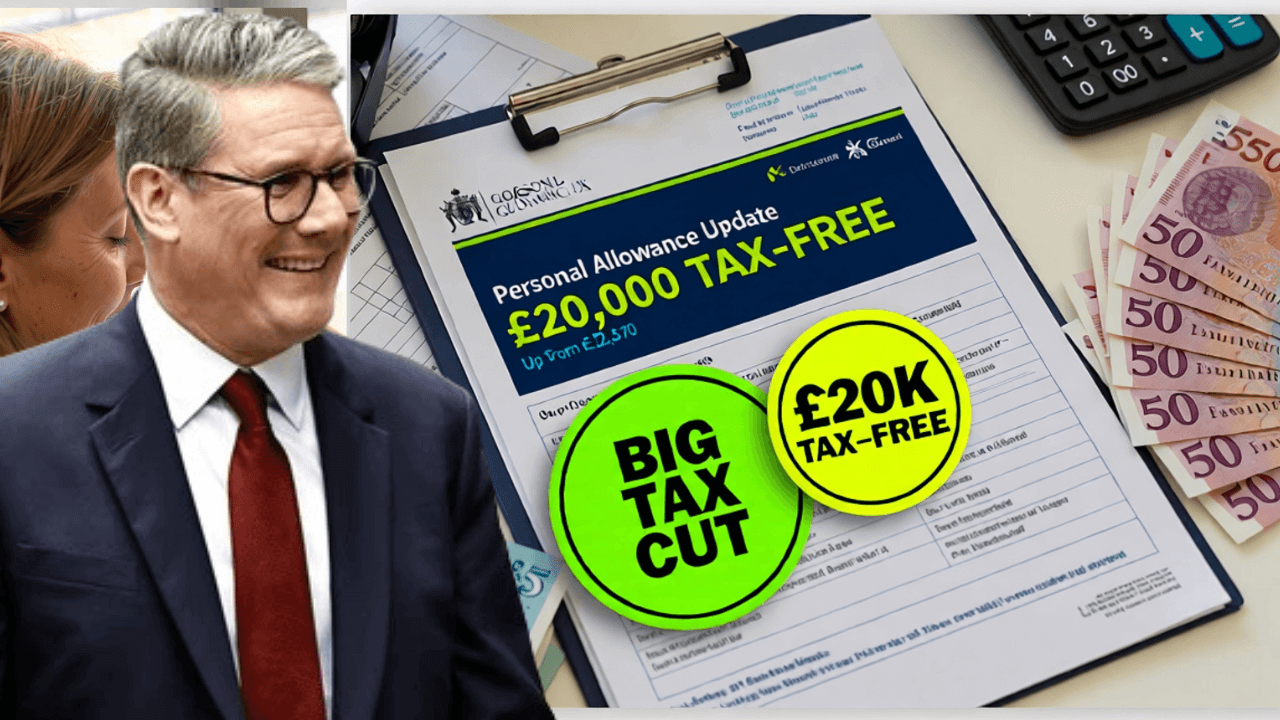
That’s why the idea of increasing the Personal Tax Allowance from £12,570 to £20,000 has generated significant interest. At first glance, it sounds like a major tax cut—but what does it really mean? Is it confirmed, who would benefit, and how would it affect your income?
In this article, we’ll break everything down in a clear and practical way so you can understand how this potential change could impact you.
What the Personal Tax Allowance is
The Personal Tax Allowance is the amount of income you can earn each year before you start paying income tax.
It is set and managed by HM Revenue and Customs and applies to most people living and working in the UK.
Currently, the standard allowance is £12,570. This means:
You pay no tax on income up to this level
Income above this is taxed at standard rates
It applies to wages, pensions and some other income
This allowance forms the foundation of the UK income tax system.
Why a rise to £20,000 is being discussed
The proposed increase to £20,000 is being talked about in the context of rising living costs and financial pressure on households.
Many people are facing:
Higher energy bills
Increased food prices
Rising housing costs
General inflation
Raising the tax-free allowance would allow people to keep more of their earnings, providing direct financial relief.
What a £20,000 allowance would mean
If the Personal Allowance were increased to £20,000, the impact could be significant.
It would mean:
More income is tax-free
Lower overall tax bills
Higher take-home pay
For example, someone earning £25,000 per year would pay tax only on £5,000 instead of £12,430 under the current system.
This could lead to noticeable savings over time.
Is the £20,000 allowance confirmed
It’s important to understand that headlines can sometimes present proposals as confirmed policies.
In reality:
The £20,000 figure is often part of discussions or proposals
Any official change would require government approval and implementation
Current allowances remain in place unless formally updated
This means you should treat the figure as a potential change rather than an immediate reality.
Who would benefit the most
If introduced, the increase would benefit a wide range of people.
Those who could gain the most include:
Low-income earners
Middle-income households
Part-time workers
Pensioners with modest income
For these groups, paying less tax could improve financial stability.
How it would affect workers
For employees, a higher Personal Allowance would result in:
More take-home pay each month
Reduced tax deductions
Greater financial flexibility
This could make a difference in managing daily expenses and savings.
What it means for pensioners
Pensioners could also benefit from a higher allowance.
If your total income falls below £20,000:
You may pay little or no tax
Your pension income becomes more efficient
You keep more of your money
This is especially important for those on fixed incomes.
The impact on low earners
Low earners would see some of the biggest benefits.
If your income is below or close to the new threshold:
You may pay no income tax at all
Your net income increases
Financial pressure may ease
This could help reduce inequality and support those most affected by rising costs.
How this compares to the current system
Under the current system:
Personal Allowance is £12,570
Tax is applied above this level
A rise to £20,000 would represent a major increase in tax-free income, significantly changing how much tax people pay.
What it could mean for the economy
Changes to tax thresholds can have wider economic effects.
A higher allowance could:
Increase consumer spending
Boost household confidence
Reduce financial stress
However, it could also impact government revenue, which is why such changes are carefully considered.
Will higher earners benefit too
Yes, but the impact may be less noticeable.
Higher earners would still:
Pay tax on income above the threshold
Benefit from reduced taxable income
See some increase in take-home pay
However, the relative benefit is often greater for lower earners.
What you should do now
Since the change is not yet fully implemented, there’s no immediate action required.
However, it’s a good idea to:
Stay informed about updates
Review your tax situation
Plan your finances accordingly
Being prepared helps you make the most of any changes.
Understanding your tax code
Your tax code determines how much tax is deducted from your income.
If the Personal Allowance changes:
Your tax code may be updated
Your take-home pay may increase
Adjustments happen automatically
Keeping an eye on your tax code helps you stay informed.
The importance of financial planning
Even with potential tax changes, planning your finances remains essential.
You should consider:
Saving regularly
Managing expenses
Building an emergency fund
Planning for the long term
Tax savings can be a useful boost, but they are only part of the bigger picture.
Common misunderstandings
There are several misconceptions about the proposed increase.
Some people believe:
The £20,000 allowance is already in place
Everyone will benefit equally
No further approval is needed
In reality:
It is still a proposed or discussed figure
Benefits depend on income
Official confirmation is required
How this affects everyday life
If implemented, the change could:
Increase disposable income
Reduce financial pressure
Make budgeting easier
Even small increases in take-home pay can add up over time.
Avoiding misinformation
Tax-related headlines can sometimes be exaggerated.
Be cautious of:
Claims that sound too good to be true
Unverified social media posts
Confusing or unclear explanations
Always focus on clear and factual information.
Looking ahead
The UK tax system is constantly evolving.
Future changes may include:
Adjustments to allowances
Updates to tax bands
New financial support measures
The goal is to balance fairness with economic stability.
Key points to remember
The current Personal Allowance is £12,570
A £20,000 allowance is a proposed or discussed change
It would increase tax-free income significantly
Low and middle earners would benefit most
Official confirmation is required before any change
Final thoughts
The idea of raising the Personal Tax Allowance to £20,000 is certainly appealing, especially at a time when many households are feeling financial pressure. If implemented, it could provide meaningful relief and help people keep more of what they earn.
However, it’s important to separate headlines from confirmed policy. While the proposal highlights the direction of future discussions, the current system remains in place.
By staying informed and understanding how tax rules work, you can make better financial decisions and be ready to benefit from any changes that may come.